No products in the cart.

Chemical Peels in Toronto & Mississauga

Skin-Appropriate Resurfacing Based on Fitzpatrick Type & Individual Skin Profile When considering a chemical peel in Toronto or Mississauga, it is important to understand that peel selection must be tailored to your individual skin characteristics. Different formulations, strengths, and depths are appropriate depending on your skin type, tolerance, and goals. At LipDoctor, treatment planning takes …

What Is a Chemical Peel?

A chemical peel is a medically guided skin resurfacing treatment designed to improve tone, texture, and clarity by accelerating controlled exfoliation and cellular renewal.

The skin of the face, neck, and hands is particularly vulnerable to cumulative sun exposure, environmental stress, and natural collagen decline. Over time, this can lead to uneven pigmentation, fine lines, dullness, acne scarring, and textural irregularities.

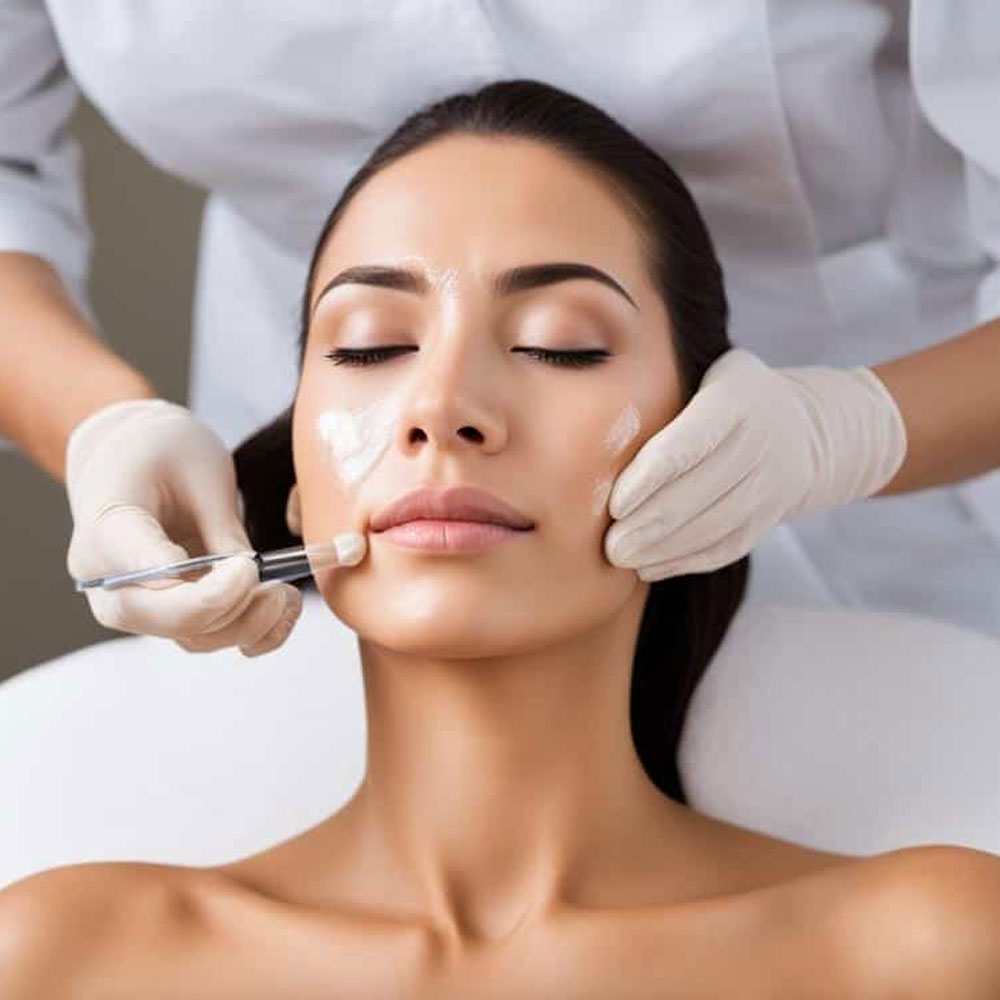
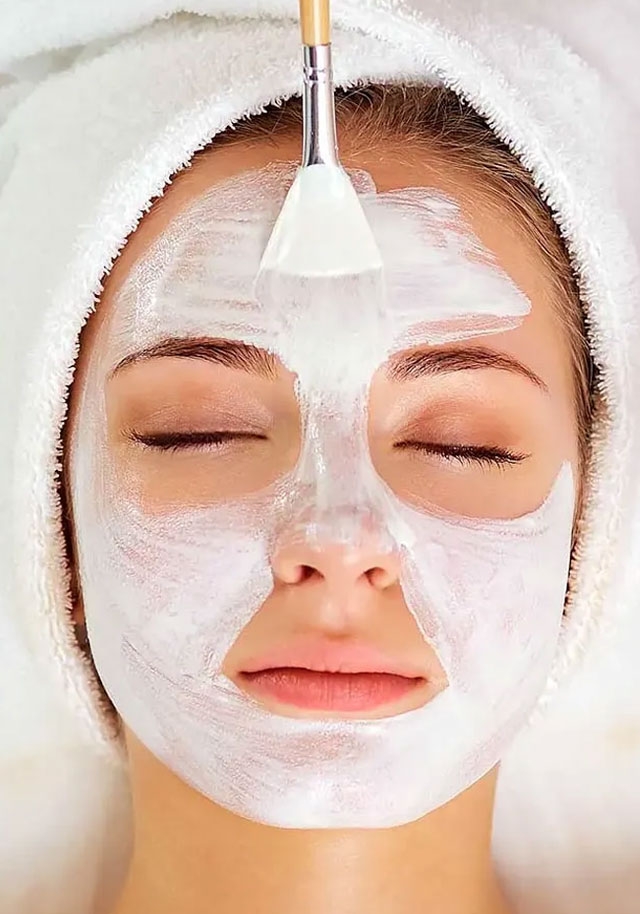
A chemical peel works by applying a carefully selected solution to the skin, prompting controlled exfoliation of the superficial layers. As the treated skin renews, collagen stimulation is supported, surface irregularities are reduced, and healthier, more evenly pigmented skin is revealed.

At LipDoctor, we offer light, medium, and customized peel protocols in Toronto and Mississauga, selected based on your Fitzpatrick skin type, pigment risk, and specific concerns. Stronger is not always better — precision and appropriateness determine outcome.

What Can Chemical Peels Improve?

Chemical peels may be used to address:

Each treatment plan is individualized to ensure safety, especially in patients with higher Fitzpatrick skin types who may be more prone to post-inflammatory hyperpigmentation.

Here at Lip Doctor, you can get all the information you need on chemical peel treatment. The skin on our face, neck and hands is exposed most often to damaging UV rays and wear and tear..
This is the reason why these areas often begin to show visible signs of aging first and a chemical peel with your local skin care expert is an effective way to turn back the clock and get fresh, young skin back. These chemical peel treatments are called, “peels” because the chemical solution applied to the skin causes the surface layer to exfoliate and peel off. This process can stimulate the skin’s natural renewal process, boost collagen and elastin and reveal plump skin cells which do not show dullness or pigmentation related to damage. Generally, the types of chemical peels which exist can be divided into three categories: Light or, “lunchtime” peels, medium and deep peels. We offer a variety of light, medium and combination chemical peels in Toronto ranging in strengths to suit our client’s specific complexion and needs.

Skin concerns which can be effectively addressed with the benefits of a chemical peel include:

Skin Treatments Menu

PRP Facelifft Vampire Lift
Professional Grade Skin Care
Chemical Peels
Acne Treatments
Microneedling Mesotherapy
Melasma Hyperpigmentation Treatments
Professional Makeup Application

Types & use of
chemical peels

Alpha-hydroxy is a type of mild acid used to affect only the outer layer of skin and provide gentle exfoliation with chemical peel. Dull-looking skin, fine lines and mild acne often improve through the application of mild chemical peels and depending on the amount of product applied and skin sensitivity, only mild skin flaking or none at all may be experienced after its application.

Glycolic acid is a type of gentle AHA acid and in low strengths, has almost no side effects such as redness and skin peeling. Glycolic acid is recommended for all skin types and ages including dry or sensitive skin. This peel type is ideal for those who want a, “lunch time” peel for skin brightening, a dewy complexion, easier make-up application and absorption of skin care products.

A similar, light chemical peel treatment option is Salicylic acid which is a beta hydroxy acid. Salicylic acid is a gentle option to treat skin conditions like acne. Salicylic acid helps to reverse the effects of aging such as fine lines, wrinkles and pigmentation issues. It also clears pores to improve acne blemishes as it reduces excess oil production. Salicylic acid is known to be anti-inflammatory and antiseptic so it is soothing rather than harsh on acne prone skin.

Another AHA chemical peel option in Toronto which is mild is a Lactic acid peel is and is available at our clinic. It is derived from milk, so for people with sensitive skin or who are new to exfoliating chemical peels, a lactic acid peel will be a comfortable but effective choice. Lactic acid is beneficial for mature skin, dry and oily skin. Ideally, more than one peel spaced 4-6 weeks apart will yield optimal results. More than one chemical peel is usually needed for the desired effect. Any redness or flaking of the skin will usually be resolved within 2-3 days after a mild peel.

Types of Chemical Peels & Their Uses

Customized Resurfacing Based on Skin Type and Concern

At LipDoctor, chemical peel selection is guided by skin assessment — including Fitzpatrick type, oil production, pigment tendency, and treatment goals. The most commonly used superficial peels include alpha-hydroxy acids (AHAs) and beta-hydroxy acids (BHAs), each with distinct indications.

AHAs are mild exfoliating acids that primarily target the outermost layer of the skin. They are commonly used to improve:

  • Dull or uneven tone
  • Early fine lines
  • Mild textural irregularities
  • Superficial pigmentation

Post-treatment flaking may be minimal to mild, depending on concentration and individual sensitivity.

Glycolic Acid

Glycolic acid is one of the most commonly used AHAs due to its small molecular size and effective exfoliation profile. In controlled strengths, it can improve brightness, skin clarity, and product absorption with minimal downtime.

It may be appropriate for many skin types when carefully selected and dosed appropriately.

Lactic Acid

Lactic acid is a gentler AHA option often chosen for patients with more sensitive or reactive skin. It supports hydration while promoting surface renewal and may be suitable for mature, dry, or combination skin types.

Salicylic Acid

Salicylic acid is a lipid-soluble BHA that penetrates into pores, making it particularly effective for:

  • Acne-prone skin
  • Congested pores
  • Excess oil production
  • Inflammatory breakouts

It has anti-inflammatory properties and is often well tolerated in patients experiencing acne or oil-related concerns.

Superficial peels may be performed as standalone treatments or in a series spaced approximately 4–6 weeks apart for cumulative improvement. Mild redness or flaking may occur for several days following treatment, depending on peel depth and individual skin response.

Stronger is not always better. Appropriate selection and controlled application determine both safety and outcome.

What AHA chemical peels do?

Alpha-hydroxy acid (AHA) chemical peels work primarily at the surface of the skin, promoting controlled exfoliation and accelerated cellular turnover.

By removing dull, damaged outer layers, AHAs can:

  • Improve overall skin brightness and clarity
  • Soften early fine lines
  • Reduce mild pigmentation irregularities
  • Refine surface texture
  • Enhance absorption of medical-grade skincare

Superficial AHA peels may also support improved skin hydration over time by improving barrier function when properly selected and spaced appropriately. While they do not directly “create” collagen in the way deeper treatments might, consistent use can contribute to a healthier, more resilient skin appearance.

These peels are commonly used on the face, neck, hands, and occasionally the back, depending on skin type and concern.

Medium-Depth Chemical Peels

Medium-depth peels, such as those containing glycolic acid in higher concentrations or trichloroacetic acid (TCA), penetrate more deeply into the epidermis and upper dermis.

Because they reach deeper layers of the skin, they can address:

  • More pronounced sun damage
  • Moderate pigmentation concerns
  • Acne scarring
  • Fine lines and early wrinkles
  • Melasma (with careful patient selection)

TCA peels typically produce more visible peeling and redness, with recovery lasting approximately 5–7 days depending on depth and individual healing response.

Medium-depth peels require careful evaluation of Fitzpatrick skin type and pigment risk to minimize post-inflammatory hyperpigmentation. Appropriate selection and physician oversight are essential.

What AHA chemical peels do?

AHA chemical peels help to increase collagen and elastin production in the skin.

They create more flexible and resilient skin. AHA strengthens the skin’s lipid barrier and this helps to retain moisture for increased hydration and suppleness. They gently slough away the upper, dull layers of skin and smooth fine lines and wrinkles. They clear away debris that blocks pores which prevents acne and facilitates better absorption of quality skin care products. Chemical peel also helps to balance Ph levels in the skin and boost natural cell turnover. They are appropriate for hands, face, neck and back.

Medium chemical peels include glycolic and trichloroacetic acid. They penetrate the surface and middle layers of the skin to exfoliate damaged, aged skin cells. TCA, Trichloroacetic acid, provides more dramatic and accelerated results than Alpha Hydroxy Acid and Beta Hydroxy Acid peels. The recovery time for a medium chemical peel is longer with skin redness and peeling expected to last roughly one week. They are appropriate to treat a wide range of skin concerns from acne to melsama, fine lines to wrinkles.

Trichloroacetic Acid (TCA) Peels

TCA (trichloroacetic acid) is a medium-depth chemical peel used to address more advanced signs of skin aging and pigmentation irregularities.

By penetrating beyond the superficial epidermal layer, TCA peels can:

  • Improve moderate sun damage
  • Soften fine lines and early wrinkles
  • Reduce mild acne scarring
  • Improve uneven pigmentation, including certain cases of melasma (with careful selection)
  • Enhance overall skin firmness and clarity

Medium-depth peels stimulate dermal remodeling, which may contribute to improved skin structure over time. Results are typically more pronounced than superficial AHA or BHA peels.

Downtime & Recovery

Recovery depends on concentration and individual skin response. After a medium-depth peel, skin may appear red and feel tight or warm for several days. Peeling commonly begins around day 3–5 and may last up to one week.

Patients are instructed to avoid picking or rubbing the skin and to follow a structured post-treatment protocol to support proper healing.

Treatment frequency varies based on strength and indication. Conservative scheduling is essential to protect barrier integrity and reduce pigment risk — particularly in higher Fitzpatrick skin types.

The Jessner Peel

The Jessner peel is a combination peel containing salicylic acid, lactic acid, and resorcinol. Each component contributes a specific therapeutic effect:

  • Salicylic acid targets oil production and acne
  • Lactic acid provides gentle exfoliation and hydration support
  • Resorcinol enhances penetration and exfoliative effect

This peel may be particularly useful for acne-prone skin, textural irregularities, and uneven pigmentation.

Layering techniques can be used to adjust depth and intensity based on patient goals and skin tolerance. With increased depth comes increased downtime, which is discussed thoroughly during consultation.

When appropriate, the peel is neutralized after the desired exposure time to control activity and optimize safety.

TCA stimulates collagen and elastin production

TCA results in firmer looking skin and fewer wrinkles.

Mild acne scarring can be improved through the use of TCA peels and acne breakouts greatly diminished. When skin completes its cycle of peeling and being replaced, the new skin cells show reduced melasma, freckles, blotchiness and other skin pigmentation or tone problems.

TCA peels will vary in strength from 15%, 20% and 35% to 50%. And downtime will range according to the strength used from 3-7 days. Normal expectations after a medium chemical peel are that skin will be reddened as with a severe sunburn and will feel sore, tight and slightly warm or swollen for the first few days. Around 3 to 5 days after, the surface, dried skin may peel off in small sheets or flakes. You will be advised not to rub the skin but to wash gently and allow time to remove the surface layer after a TCA peel. TCA peels of 35% or less can be done every 3 months and stronger concentrations only once or twice per year.

The Jessner Peel is a combination peel which combines salicylic acid, lactic acid and resorcinol. This is an effective treatment for acne in particular because of the salicylic acid component. The lactic acid provides gentle exfoliation to address fine lines, blemishes and wrinkles. Resorcinol acts as a solvent to dissolve rough, dull or dry skin.

A Jessner Peel will stimulate collagen and elastin production which smooths the appearance of the skin. Uniform exfoliation works to even skin tone and reduce sun damaged pigmentation. Multiple layers of the Jessner peel can be applied with each additional pass providing amplified results, along with extended recovery. This peel option is excellent for young and older skin types, and can be customized for the patient and their skin needs.

The Jessner’s Peel is neutralized with a special neutralizer that stops the chemical action and instantly calms and soothes the skin when the appropriate treatment time has passed.

Schedule a Personalized Chemical Peel Consultation

No two complexions are identical — and no peel protocol should be either.

Many chemical peel formulations can be layered or sequenced depending on your skin type, Fitzpatrick classification, pigment risk, acne history, and long-term goals. The strength, depth, and timing of treatment must be selected carefully to maximize improvement while protecting barrier integrity.

During your consultation at our Toronto or Mississauga clinic, we perform a detailed skin assessment and design a customized peel strategy tailored specifically to you.

Thoughtful planning leads to safer treatment — and better results.

Consult to get your custom peel

Many of these peels may be used in combination depending on what we are trying to accomplish and your skin type. Book a consultation with me to have us formulate a custom peel for you.

What are the Potential Side Effects of Chemical Peels?

Chemical peels are generally safe when carefully selected and appropriately administered. However, as with any resurfacing treatment, potential side effects must be considered thoughtfully.

Many patients are understandably concerned about pigment changes, downtime, or making their skin look worse before it looks better. These concerns are valid — and part of responsible treatment planning.

Individuals with higher Fitzpatrick skin types (IV–VI) may have a greater risk of post-inflammatory hyperpigmentation, particularly with medium or deeper peels. This does not mean peels are unsuitable — it means strength, preparation, and timing must be selected conservatively.

Patients with active infections, open wounds, uncontrolled skin conditions, or active herpes simplex outbreaks should postpone treatment until the skin has healed.

Hormonal influences — including pregnancy, certain oral contraceptives, or melasma-prone skin — can increase susceptibility to pigment shifts. A detailed medical history is reviewed prior to treatment to minimize risk.

During the procedure, mild tingling or stinging is common and typically short-lived.

Following treatment:

  • Mild redness and tightness may occur for several days
  • Peeling or flaking may begin within 2–5 days depending on depth
  • Medium-depth peels may cause visible peeling and sensitivity lasting approximately 5–7 days

Temporary pigment changes are uncommon when proper protocols are followed but remain a potential risk. Permanent pigment alteration is rare and typically associated with aggressive treatment in higher-risk skin types.

Our approach is deliberate and conservative. The goal is not aggressive peeling — it is controlled renewal.

When selected thoughtfully and performed with precision, chemical peels can safely restore brightness, clarity, and smoothness — helping you feel more confident in your skin, not cautious about it.

What are the Potential Side Effects of Chemical Peels?

Generally, fair skinned people make great candidates for chemical peels of varying strengths while people who have darker, natural pigmentation need to be cautious about strong peels which can cause pigmentation changes. People who have infections, active skin diseases, broken skin or active Herpes sores should also wait until their skin heals before planning a chemical peel. Talk with your medical skin care expert about any medications, supplements or other medical conditions you have prior to the treatment with chemical peel.

When you are treated with a chemical peel, you can expect to feel mild prickling or stinging sensations which are temporary. Often, the skin will feel superficially tight a few days after the peel before skin begins to slough off. You can expect some prolonged redness and sensitivity after stronger peels which may last 7 days or more. Temporary or permanent changes in skin colour are a risk and people who are taking hormones, birth control or are pregnant are particularly at risk of facial skin colour changes.

Contact Us