
No products in the cart.

PRP & Regenerative Treatments (Physician-Guided)

Supporting Tissue Repair, Skin Quality, Hair Growth & Performance—From Within Most treatments focus on changing how something looks. PRP works differently. It focuses on improving how tissue functions and repairs itself. At LipDoctor, platelet-rich plasma (PRP) is used as part of a targeted regenerative approach—supporting hair growth, skin quality, recovery, and performance-related concerns through your …

What PRP Actually Is

PRP (platelet-rich plasma) is created by drawing a small amount of your blood and processing it to concentrate platelets—cells rich in growth factors involved in healing.

When injected into targeted areas, PRP can:

  • Support tissue regeneration
  • Improve blood flow
  • Enhance healing responses
  • Stimulate cellular activity

Because it uses your own biology, it is well tolerated and aligned with the body’s natural repair systems.

How PRP Works at a Biological Level

Platelets contain signaling proteins that regulate healing and tissue repair.

When concentrated and delivered to a targeted area, these signals can:

  • Stimulate local cellular activity
  • Improve vascular supply
  • Support tissue regeneration over time

This is why PRP can be applied across multiple areas—it acts on the underlying repair process, rather than masking symptoms.

How We Use PRP at LipDoctor

PRP is not used as a one-size-fits-all treatment.

It is applied selectively depending on the area being treated and the outcome we are aiming for.

Hair Restoration

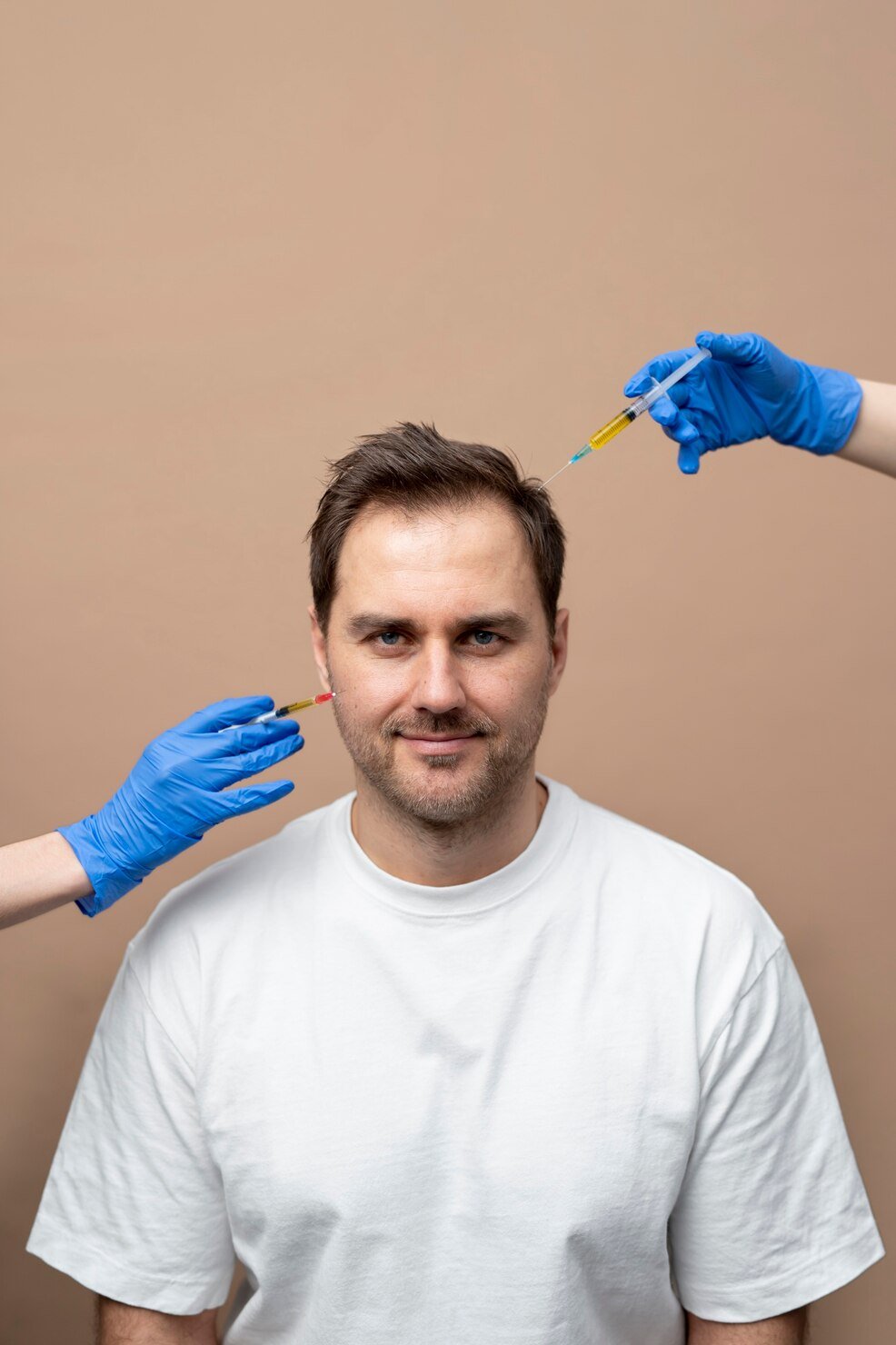
PRP is commonly used in patients experiencing thinning or early-stage hair loss.

It works by:

  • Supporting follicle activity
  • Improving scalp circulation
  • Encouraging healthier growth cycles

It is often combined with medical therapies or technologies for more comprehensive results.

Skin Quality & Regeneration

PRP can be used to improve overall skin quality.

It supports:

  • Collagen-related processes
  • Skin texture and tone
  • Recovery after other treatments

Rather than replacing aesthetic procedures, PRP is often used to enhance and support results from lasers, microneedling, and injectables.

Joint & Soft Tissue Support

PRP may be used to support recovery in areas experiencing strain or overuse.

This includes tendons, ligaments, and soft tissue structures, with the goal of improving recovery and function over time.

Men’s Sexual Health (P-Shot)

The Priapus Shot is a form of PRP therapy used in men’s sexual health.

At LipDoctor, this is approached as part of a medically guided strategy—not a standalone or quick-fix treatment.

PRP in this context is used to:

  • Support blood flow
  • Improve tissue responsiveness
  • Enhance overall function

It is most effective when considered alongside factors such as hormone balance, vascular health, and overall physiology.

Why PRP Is Not a Quick Fix

PRP works by stimulating biological processes.

This means:

  • Results develop gradually
  • Multiple treatments are often required
  • Outcomes vary based on individual biology

It is best understood as a supportive regenerative therapy—not an instant transformation.

Why PRP Results Can Vary

PRP is not a standardized treatment.

Results depend on multiple factors, including:

  • The condition being treated
  • The stage or severity of the issue
  • How the PRP is prepared and delivered
  • Whether it is combined with other therapies

This is why outcomes can differ significantly between providers—and why proper assessment and planning matter.

Who This Treatment Is For

PRP may be appropriate for patients who:

  • Are experiencing early-stage hair thinning
  • Want to improve skin quality in a natural way
  • Are recovering from physical strain or overuse
  • Are looking to support performance or function

It is often chosen by patients who prefer biologic, non-surgical approaches.

Who This Treatment May Not Be Ideal For

PRP is not effective in every situation.

It is less likely to produce meaningful results in:

  • Advanced hair loss with inactive follicles
  • Significant structural or tissue damage
  • Conditions requiring surgical or more aggressive intervention

In these cases, we guide you toward more appropriate options.

What the Treatment Experience Feels Like

PRP treatments involve:

  • A simple blood draw
  • Processing to concentrate platelets
  • Targeted injections into the treatment area

Most treatments are well tolerated and performed in a clinical setting.

Downtime is minimal, though mild swelling or sensitivity may occur depending on the area treated.

What You Can Expect

PRP works gradually.

Some patients notice early changes within a few weeks, particularly in areas like skin quality or recovery.

More meaningful results typically develop over 2–3 months, with continued improvement over time.

The goal is subtle, progressive improvement—not dramatic or artificial change.

How Often Is It Done?

PRP is typically performed as a series of treatments.

Frequency depends on:

  • The area being treated
  • Your goals
  • Your response to treatment

Maintenance sessions may be recommended to support long-term results.

Why Patients Choose PRP

PRP is often chosen by patients who:

  • Prefer a biologic, non-surgical approach
  • Want to enhance or support other treatments
  • Are looking for gradual, natural improvement
  • Value long-term tissue quality over short-term results

A More Integrated Approach

PRP is rarely used in isolation.

At LipDoctor, it is often combined with:

  • Hair restoration systems
  • Skin treatments and lasers
  • Hormone Optimization (TRT)
  • Recovery and performance strategies

In some cases, combining PRP with hormone optimization can improve overall outcomes—particularly in areas such as hair growth, energy, and performance.

Why LipDoctor

PRP is widely available—but outcomes vary significantly.

At LipDoctor:

  • Treatments are physician-guided
  • Applications are targeted—not generalized
  • Plans are integrated—not isolated
  • We focus on appropriate use—not overuse

This allows PRP to be used as a meaningful part of a broader treatment strategy.

Frequently Asked Questions

Yes. Because it uses your own blood, it is generally well tolerated when performed in a proper clinical setting.

Some early changes may be noticed within weeks, with more significant improvement developing over 2–3 months.

PRP works by stimulating your own tissue, rather than adding volume or creating immediate structural change.

Most patients benefit from a series of treatments, followed by maintenance if needed.

Yes. It is often used alongside other therapies to enhance and support overall results.

No. It is most effective when integrated into a broader plan that considers hormonal and vascular factors.

Book a Consultation

If you’re considering PRP and want to understand whether it’s appropriate for your goals, we can guide you.

Call or email the clinic to discuss your situation and determine the right approach.

Regeneration—Used With Purpose

At LipDoctor, PRP is not about quick fixes.

It’s about using your body’s own biology—strategically—to support better outcomes over time.

BOOK YOUR FREE CONSULT